

Gomasio, also known as Japanese sesame salt, is a simple seasoning made from toasted sesame seeds and sea salt. This traditional Authentic Gomasio Recipe has been used in Japanese cooking for generations to add rich, nutty flavor to everyday meals.
If you’re wondering how to make gomasio, you’ll be happy to know it requires only a few ingredients and a few minutes of preparation. Whether you want a homemade gomasio for rice bowls, salads, roasted vegetables, or other dishes, this versatile sesame salt seasoning is an easy way to boost flavor without relying on heavy sauces.
In this guide, you’ll learn what gomasio is, the best sesame-to-salt ratio, how to prepare it properly, store it, and the many ways to enjoy this traditional Japanese sesame salt recipe.
Quick Answer
Gomasio is a traditional Japanese sesame salt made from toasted sesame seeds and sea salt.To make this gomasio recipe, toast the sesame seeds until fragrant, lightly grind them with sea salt, and store the mixture in an airtight container. The most common sesame-to-salt ratio for gomasio is 15:1, which creates a nutty, savory sesame salt seasoning that’s perfect for rice bowls, salads, roasted vegetables, noodles, and other everyday dishes.
What Is Gomasio?
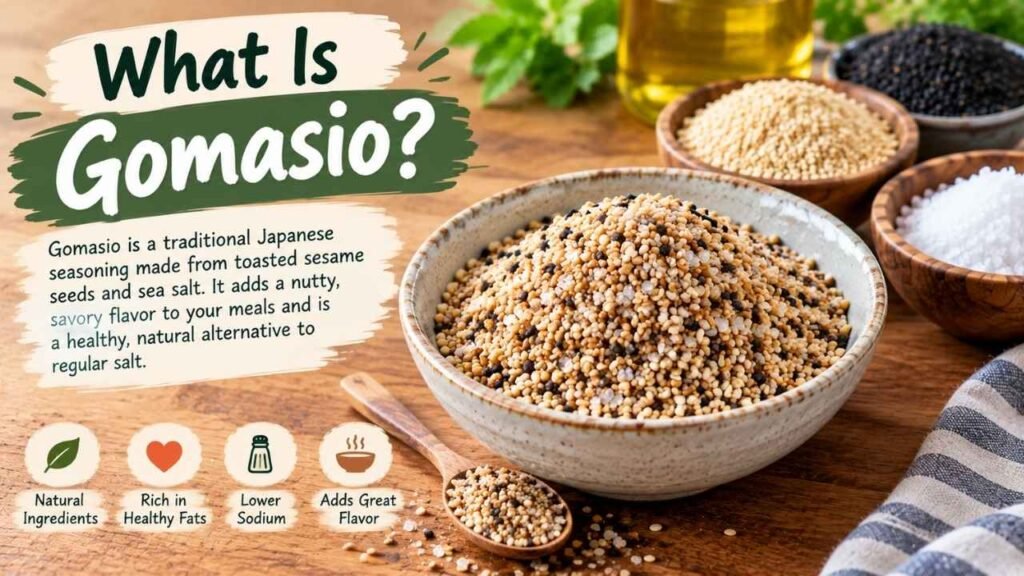
Gomasio, also called Japanese sesame salt, is a traditional seasoning made from toasted sesame seeds and sea salt. This simple sesame salt seasoning is popular in Japanese and macrobiotic cooking because it adds a rich, nutty flavor to many dishes.
Unlike regular salt, homemade gomasio combines the taste of sesame with a lighter salty finish. It is often sprinkled over rice bowls, salads, roasted vegetables, noodles, and soups.
The word “gomasio” comes from the Japanese words for sesame and salt. A classic Japanese sesame salt recipe usually uses a higher amount of sesame seeds than salt, which helps create a balanced flavor. If you enjoy traditional dishes such as Moqueca Da Banana Da Terra, gomasio can be a delicious finishing seasoning.
Ingredients You’ll Need
- 1 cup white sesame seeds (unhulled if available)
- 1 tablespoon sea salt (fine or medium grain)
- 2 tablespoons black sesame seeds (optional, for deeper flavor and color)
This traditional gomasio recipe uses a 15:1 sesame-to-salt ratio, which creates a balanced Japanese sesame salt that is nutty, savory, and not overly salty.
The Best Sesame-to-Salt Ratio
The traditional sesame-to-salt ratio for gomasio is 15 parts sesame seeds to 1 part sea salt. This ratio creates a seasoning that tastes nutty and savory without becoming too salty. Some people prefer a 10:1 ratio for a stronger salt flavor, while others choose 20:1 for a lower-sodium version.
If you are making gomasio for rice bowls or vegetables, the 15:1 ratio is usually the best starting point. It allows the sesame flavor to shine while still adding enough salt to season the food.
Once you learn how to make gomasio, you can easily adjust the ratio to match your taste. This flexibility makes homemade gomasio useful for many different dishes and dietary preferences.
How to Make Gomasio Step by Step
- Heat a dry skillet over medium heat.
Do not add oil. The sesame seeds should toast in a dry pan.
- Toast the sesame seeds.
Add the white sesame seeds (and black sesame seeds if using) and stir constantly for 3–5 minutes until fragrant and lightly golden.
- Toast the sea salt separately.
Add the sea salt to the skillet and heat for about 1 minute to remove excess moisture.
- Let everything cool slightly.
Warm ingredients grind better, but they should not be hot.
- Grind the mixture.
Transfer the toasted sesame seeds and salt to a suribachi mortar and pestle or a spice grinder. Grind gently until the sesame seeds are cracked but not turned into a paste.
- Taste and adjust if needed.
If you prefer a saltier flavor, add a little more sea salt.
- Store your homemade gomasio.
Place the Japanese sesame salt seasoning in an airtight container and keep it in a cool, dry place.
Your authentic gomasio recipe is now ready to sprinkle over rice bowls, salads, roasted vegetables, noodles, and other dishes.
Traditional vs Modern Grinding Methods
The traditional way to make gomasio is with a suribachi mortar and pestle. This method gently crushes the sesame seeds and releases their oils without turning them into a paste. Many Japanese cooks believe this produces the best flavor and texture.
A modern alternative is a spice grinder, which is faster and more convenient. Use short pulses and stop as soon as the seeds are partially crushed. A food processor can also work, but it is easier to over-process the mixture. The key is to keep some texture in the seasoning. Whether you use a traditional or modern method, the goal is the same: create a fragrant sesame salt seasoning with a light, crunchy texture that is perfect for rice, salads, and vegetables.
Common Mistakes to Avoid
One of the biggest mistakes when making gomasio recipe is burning the sesame seeds. Sesame seeds toast quickly, so stir them constantly and remove them from the heat as soon as they smell fragrant. Burnt seeds can make the entire seasoning taste bitter.
Another common mistake is over-grinding the mixture. If the sesame seeds turn into a smooth paste, the texture of the Japanese sesame salt will be lost. Use short pulses if you are using a spice grinder. Also avoid iodized table salt, which can taste harsher than sea salt. Using fresh sesame seeds and the correct sesame-to-salt ratio for gomasio will help you achieve a balanced, nutty flavor every time.
What Does Gomasio Taste Like?
Gomasio has a warm, nutty, toasted, and lightly salty flavor. The sesame seeds provide richness and a gentle crunch, while the sea salt adds a clean savory finish. Because the seasoning contains much more sesame than salt, it tastes milder than regular table salt.
Black sesame gomasio has a deeper, earthier flavor, while white sesame gomasio tastes lighter and sweeter. Many people enjoy it on plain rice because it adds flavor without overpowering the dish. This unique balance is why homemade sesame salt seasoning is often used in Japanese cooking, macrobiotic meals, and vegetable-based dishes.
How to Use Gomasio
There are many ways to use gomasio in everyday cooking. Sprinkle it over rice bowls, salads, roasted vegetables, noodles, soups, or avocado toast. It also works well on tofu, steamed greens, and grain bowls.
Because Japanese sesame salt seasoning is both savory and nutty, it can replace plain salt in many dishes. A small amount adds extra flavor and texture without the need for heavy sauces. If you are looking for a simple way to make vegetables more interesting, gomasio for vegetables is an excellent option. Many home cooks keep a jar of homemade gomasio on hand for quick seasoning throughout the week.
How to Store Gomasio
To keep gomasio fresh, store it in an airtight container away from heat, light, and moisture. A glass jar with a tight lid works especially well. Room temperature is fine if you will use it within a few weeks.
If your kitchen is warm, you can refrigerate the seasoning to help preserve the sesame oils. This is one of the most important storage tips for homemade gomasio because sesame seeds can become rancid if exposed to air for too long. Always use a dry spoon when serving the seasoning to avoid introducing moisture into the container.
Gomasio Shelf Life
Many people ask, “How long does homemade gomasio last?” When stored properly, it usually stays at its best for 2 to 4 weeks. The flavor gradually becomes less fragrant over time, so small batches are often better than large ones.
Signs that gomasio shelf life has ended include a stale smell, a bitter taste, or an oily texture that seems unusual. Freshly made Japanese sesame salt should smell warm and nutty. If the aroma fades significantly, it is a good idea to make a new batch for the best flavor.
Is Gomasio Healthy?
Is gomasio healthy? For many people, it can be a flavorful alternative to using large amounts of plain salt. Because sesame seeds make up most of the mixture, you may use less sodium overall while still enjoying a savory taste.
Sesame seeds provide healthy fats, calcium, magnesium, and antioxidants. This is one reason macrobiotic gomasio became popular in wellness-focused cooking. However, it is still a seasoning, so moderation is important. Using gomasio on rice bowls, salads, and vegetables is an easy way to add flavor and nutrients to everyday meals.
Nutrition Information
A typical teaspoon of gomasio contains a small amount of calories, healthy fats from sesame seeds, and less sodium than the same volume of pure salt. The exact nutrition will depend on the sesame-to-salt ratio you use.
Homemade gomasio also provides trace minerals such as calcium, iron, and magnesium from the sesame seeds. While it is not a major source of nutrients, it can contribute additional minerals and flavor compared with regular table salt.
Black Sesame vs White Sesame Gomasio
| Feature | Black Sesame Gomasio | White Sesame Gomasio |
| Flavor | Deeper and earthier | Lighter and slightly sweeter |
| Color | Dark gray to black | Golden beige |
| Best For | Rice, noodles, hearty dishes | Salads, vegetables, lighter dishes |
| Nutrition | Slightly more antioxidants | Similar healthy fats and minerals |
Both versions make excellent Japanese sesame salt seasoning, and many cooks enjoy mixing black and white sesame seeds for a balanced flavor and appearance.
FAQs
Can I use black sesame seeds for gomasio?
Yes. Black sesame gomasio has a stronger, earthier flavor and a darker color than white sesame gomasio.
Can I make gomasio without a mortar and pestle?
Yes. A spice grinder works well if you use short pulses and avoid over-grinding the sesame seeds.
Is gomasio vegan?
Yes. Traditional gomasio recipe contains only sesame seeds and sea salt, making it naturally vegan.
Can I freeze gomasio?
Yes. Freezing can help preserve freshness for longer periods, especially if you make a large batch.
Why is my gomasio bitter?
Bitterness is usually caused by burning the sesame seeds during toasting or using old sesame seeds that have become rancid.
Conclusion
Gomasio is a simple but flavorful Japanese sesame salt that can transform everyday meals with just a sprinkle. By toasting sesame seeds, mixing them with sea salt, and using the right sesame-to-salt ratio for gomasio, you can create a homemade gomasio that tastes fresh, nutty, and perfectly balanced.
Whether you use it on rice bowls, salads, roasted vegetables, noodles, or soups, this traditional sesame salt seasoning adds depth of flavor without relying on heavy sauces. The recipe is quick to make, easy to store, and flexible enough to customize with black or white sesame seeds.
If you’ve been looking for an authentic Japanese gomasio recipe, this version gives you everything you need—from the best ratio and preparation method to storage tips and serving ideas—so you can enjoy fresh Japanese sesame salt whenever you want.